
Answering now · Open 24 hours, 7 days a week
Shingle Roof Repair in Little Rock, AR
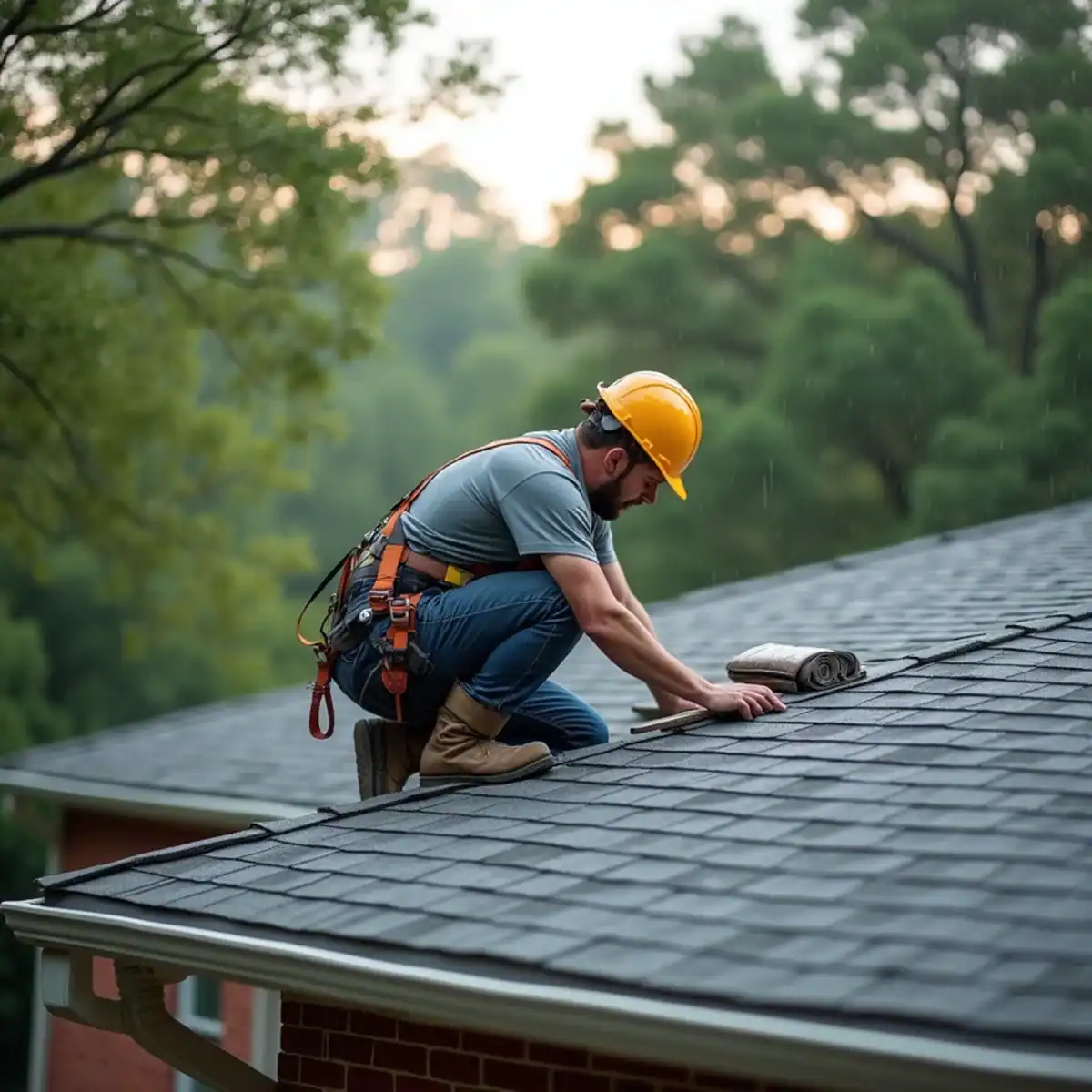
Roof leaking, shingles in the yard or a stain spreading across the ceiling? A real person answers day and night, and we send a licensed, insured Arkansas roofer who finds the problem and puts the price in writing before any work starts.
Answering 24/7Little Rock, North Little Rock and nearby
- Phones answered 24/7
- Licensed and insured Arkansas roofers
- Written estimate before work starts
Asphalt shingle repair in Little Rock, AR
Leak and shingle repairs for Little Rock's older homes and hard rains
Shingle roof repair in Little Rock usually starts the morning after a hard rain. A brown ring shows up over the bedroom closet, a few tabs are lying in the flower bed, or water drips from the bathroom vent fan. Whichever brought you here, the first step is the same: call, tell us what you see, and we send a roofer who finds where the water actually gets in, which is rarely right above the stain.
This site is about repairs, and only repairs. The roofers we send fix roof leaks, missing and damaged shingles, flashing and chimney leaks and rotted decking, and they answer emergency calls around the clock. A sound roof with one failed part needs a repair, not a sales pitch for a new roof.
Don't wait on it, though. By the time a stain shows on the ceiling, water has usually soaked through the underlayment, run along the roof decking and wet the attic insulation first. The EPA advises drying wet building materials within 24 to 48 hours to keep mold from starting, so the goal is to stop the water, document what you see and get the source found while the damage is still small.
Water coming in right now?
Do these first, then call. The roofer takes it from there.
- 1Keep everyone away from water near lights, outlets or a sagging ceiling. If water is reaching wiring, switch off that circuit at the breaker.
- 2Put a bucket under the drip and towels around it. Move furniture, rugs and electronics out of the wet area.
- 3Take photos of the ceiling, the attic if you can reach it safely, and anything that came off the roof.
- 4Stay off the roof. Wet shingles on a Little Rock pitch are slick, and storms bring lightning. Then call.
More detail: what to do while your roof is leaking
Before the roofer gets there
What to do first when your Little Rock shingle roof is leaking
Once the water is caught and the wiring is safe, a few minutes of notes and photos help the roofer find the source faster. Here's what to record, and what to leave alone.
Your first-30-minutes checklist
- The date and roughly what time you first saw water, and what the weather was doing: a downpour, wind-driven rain, ice or a dropped limb.
- Which room, which part of the ceiling or wall, and whether it drips steadily or only during hard rain.
- Photos of the ceiling, the attic if you can reach it safely, wet insulation, flooring and anything damaged, taken before you clean up.
- Ground-level photos of the roof, gutters and anything that came off it. Zoom in from the yard; don't climb.
- Whether the ceiling is bulging. If it is holding water but not cracking, a small hole at the lowest point with a bucket underneath lets it drain; stand to one side. If it is cracking or sagging badly, leave the room.
- Any past repairs on that part of the roof, and the roof's age if you know it.
What not to do on a wet or damaged roof
- Don't climb onto wet, loose or steep shingles, or onto a roof with branches still on it.
- Don't pull off damaged shingles or smear roof cement over the spot before the roofer sees it. The evidence tells the roofer what failed.
- Don't assume the leak is right above the stain. Water runs along decking, rafters and pipes before it drips.
- Don't sign for a whole new roof because someone at the door says you need one. Ask for dated photos and the reason a repair won't work.
- Don't let a stain that comes back every hard rain wait until the ceiling sags.
When a tarp or an emergency visit makes sense
A tarp makes sense when part of the roof is open: a patch of shingles blown off down to the decking, a limb through the roof, or a puncture that will keep taking water until it's repaired. It is temporary protection, not a repair, and putting one on a wet, steep roof in the dark is dangerous work, so leave it to the roofer. A properly anchored tarp is priced on its own line, the roofer notes what it covers and what is still exposed, and the permanent shingle, flashing or decking repair is scheduled next. See emergency roof tarping for how it's installed so it holds.
Repair services
Shingle roof repairs we send roofers for
Six kinds of calls cover nearly every repair a Little Rock shingle roof needs. Each page explains how the roofer handles it on the houses around here.
Not sure which one you need?
Describe what you see and we send the right roofer. Ridge caps, drip edge, underlayment, skylight curbs, soffits, roof edges where gutters overflow, and attic ventilation checks are covered too.
Know what you're approving
What a proper shingle repair estimate should include
A low number that leaves out the decking or the flashing turns into a surprise charge once the shingles come off. The written estimate the roofer gives you should spell out:
- Photos or a marked sketch showing exactly where on which roof plane the repair is.
- The materials and quantities: shingles (and how close the match will be), pipe boots, flashing, underlayment and fasteners.
- Labor, access, tear-off, disposal and a magnetic sweep for nails at the end.
- Decking, flashing and ventilation work marked as included, excluded or to be confirmed once the shingles are lifted.
- How any extra work found underneath gets priced and approved before it's done.
- Who handles a permit if the job needs one, and the payment terms, in writing.
Repair materials, standards and shingle matching
A repair should be built to the same system as the rest of the roof and to the shingle maker's installation instructions. In practice that means asphalt shingles made to ASTM D3462, a wind rating (ASTM D7158 or D3161) suited to the roof, the underlayment, drip edge and flashing details in the roofing chapter of the International Residential Code (Chapter 9), and ice and water shield in valleys and around penetrations where the code or the manufacturer calls for it.
Matching is the honest catch. Shingles fade in Arkansas sun, and many older lines are discontinued, so a repair on a 15-year-old roof will be a close match, not an invisible one. The roofer should tell you before work starts whether the patch will show, and whether redoing a whole roof plane would look and perform better. Our guide to replacing just a few shingles explains how roofers find the closest match.
Local roof knowledge
Shingle roof problems we see in Little Rock homes
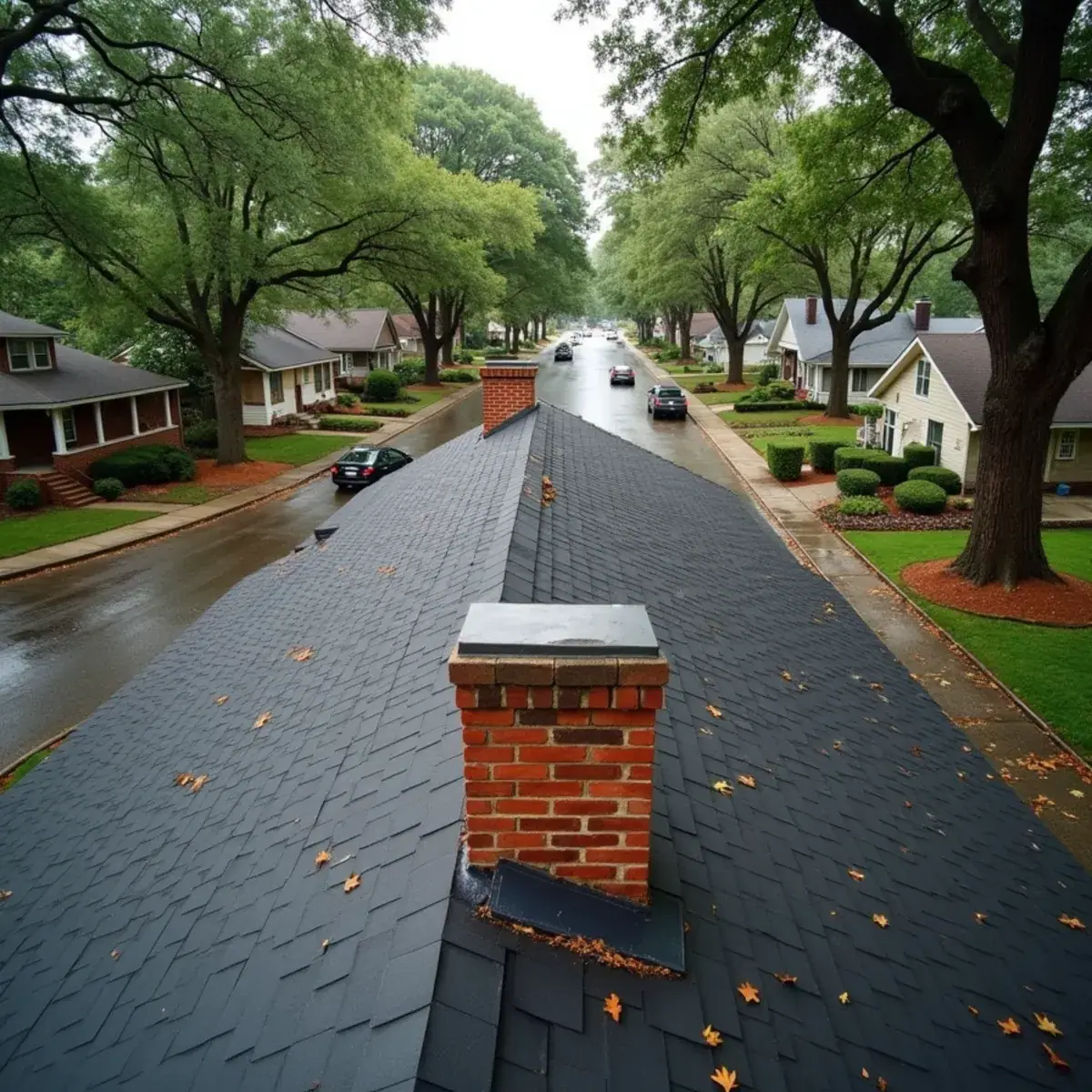
Little Rock gets about 50 inches of rain a year, and much of it arrives in downpours that find every weak spot at once. Add long, hot summers and a housing stock with a median build year of 1978, and the same handful of repairs come up again and again.
- 01
Summer heat that cracks pipe boots and curls shingles
A July afternoon can bake a dark shingle roof far hotter than the air. Year after year, that heat dries out the rubber collars around plumbing vents until they split, and it pulls the corners of older shingles up into a curl. Cracked pipe boots are the most common small leak the roofers we send find, and a pipe boot repair takes less time than most people expect.
- 02
Chimney flashing on older Hillcrest and Heights homes
Pre-war houses in Hillcrest, the Heights and the Quapaw Quarter have steep, cut-up roofs and brick chimneys. The step flashing and counterflashing around those chimneys is often decades old, sometimes patched with tar more than once. When a leak shows up on the wall beside the fireplace, the chimney is the first suspect.
- 03
Valley and wall leaks on west Little Rock hip roofs
Homes built from the 1990s through the 2010s in west Little Rock and Chenal Valley have hip-and-valley roofs with dormers and second-story walls. Every valley and every spot where a roof meets a wall is a place for water to sneak in, and these leaks often only appear in wind-driven rain.
- 04
Oak and pine debris, and the occasional limb
Mature oaks and pines shade most older neighborhoods. Their needles and leaves pack into valleys and gutters and push water sideways under the shingle edges, and a dropped limb can punch through the decking. Limb damage is an emergency roof repair call; clogged valleys are a routine fix.
- 05
Nail pops and lifted tabs on second-generation roofs
Most houses here are on their second or third roof. As the decking moves with the seasons, nails back out and lift the shingle above them, and seal strips let go in the heat. A raised tab is easy to miss from the yard until a hard rain gets under it. Our guide to nail pops on a shingle roof shows what to look for.
- 06
Ice, freezing rain and tired roof edges
Central Arkansas doesn't get much snow, but it does get the occasional ice storm. Ice loads gutters and branches, pulls at drip edge and loosens the flashing along the eaves, and the damage often isn't noticed until the next spring downpour sends water behind the fascia. A quick look at the roof edge after an icy week saves a soggy soffit later.
None of these mean the whole roof is finished. Each one is a specific failure the roofer can find, photograph and fix. Across the river, older Park Hill and Levy homes in North Little Rock show the same chimney, valley and roof-edge problems.
A seasonal routine that heads off surprise repairs
Spring
After the big March to May thunderstorms, walk the yard and look for missing tabs, lifted ridge caps and shingle pieces on the lawn.
Before summer heat
Check attic ventilation and look at pipe boots and flashing; July heat is what finishes off a cracked boot.
Fall leaf drop
Have oak leaves and pine needles cleared from valleys and gutters, without anyone walking on soft or damaged shingles.
Winter
After an ice storm or a windy front, check gutters, drip edge and any temporary patches, and photograph anything that moved.
The full season-by-season list is in our shingle roof maintenance checklist for Central Arkansas homes.
Know what you're looking at
What you see, what it usually means, and what to do first
A ceiling stain shows where water ended up, not where it got in. Use this as a starting point, not a diagnosis.
| What you notice | Likely cause | What to do now | How urgent |
|---|---|---|---|
| Water dripping from the ceiling during rain | Pipe boot, flashing, valley or a missing shingle above | Bucket, towels, breaker off if near wiring, then call | Call now |
| Ceiling sagging or bulging with water | Water pooled on the drywall from a steady leak | Keep people out of the room and call; don't stand under it | Call now |
| Shingles or tabs in the yard after wind | Seal strips let go; nails pulled through | Photograph the bare spots from the ground | Same day or next |
| Brown ring that grows after storms | Slow leak at flashing, a boot or a nail pop | Mark its edge in pencil and watch the next rain | Within a few days |
| Soft spot or dip in the roof line | Rotted decking from a long-running leak | Stay off it; check the attic for dark, wet wood | Soon, before it spreads |
| Leak beside the chimney or down an outside wall | Chimney or wall flashing failing | Note when it leaks: every rain or only wind-driven rain | Within a few days |
Warning signs inside the house and attic
- A new ceiling stain, or an old one that grows after rain
- Damp, matted or compressed insulation in the attic
- Dark water trails on rafters, roof decking or around vent pipes
- A musty smell or visible moisture in the attic
- Peeling paint, bubbling drywall or a wall that keeps discoloring
- A leak that only returns during wind-driven rain
Signs you can see from the ground
- Missing, cracked, curled or slipped shingles, or tabs that flap in the wind
- Shingle granules piling up in gutters or at the bottom of downspouts
- Dark gaps between shingle courses where the underlayment shows
- Flashing at a chimney, wall or vent that is bent, rusty or pulled away
- Ridge caps that are cracked, lifted or missing
- A dip or sag in a roof line, or a limb resting on the roof
When it's urgent: Water coming in, an open patch of roof, a sagging ceiling or wet wiring means call now. Black algae streaks on their own don't mean a leak, and one curled shingle can usually wait for a scheduled visit, but the roofer should decide that from the roof and the attic, not from the driveway.
How it works
Call, dispatch, price, job done
- Step 1
Call
A person answers (773) 207-0769 at any hour. Tell us where the water shows up, what you can see on the roof and whether anything is near wiring.
- Step 2
Dispatch
We send a licensed, insured roofer who works your side of town. If it is lightning or blowing hard, the roofer helps you protect the room first and climbs once it is safe.
- Step 3
Price
The roofer traces the leak from the attic and the roof, shows you photos of what failed and gives you a written estimate. Nothing starts until you approve it.
- Step 4
Job done
The failed boot, flashing or shingles get replaced, not smeared with caulk. You get photos of the finished repair, and the stain should stay dry through the next hard rain.
What the roofer does on site
- 1Phone triage. Where the water shows up, whether it's coming in now, what the weather did and whether anything is near wiring. That decides what happens first.
- 2Roof walk. Shingle courses, ridge caps, valleys, pipe boots, vents, chimney and wall flashing, and drip edge, starting upslope of the problem.
- 3Attic and interior check. Wet insulation, stained decking and the path the water took, wherever the attic can be reached safely.
- 4Photos of everything. What failed, what looks suspect and what can only be confirmed once shingles are lifted, so nothing is a surprise later.
- 5Repair or not, explained. The roofer separates what can be repaired from anything that points to a bigger problem, and shows you the evidence before writing the estimate.
Repair, cleanup and final photos
- Landscaping and siding are protected, and only the damaged materials come off.
- Exposed decking and underlayment are checked; any rot is photographed and approved before extra work.
- Replacement shingles are confirmed as the closest match before they go on, and installed to the maker's instructions.
- Boots and flashing are replaced or properly flashed in, not just caulked.
- Debris is hauled off, a magnet is run over the yard and driveway for nails, and you get photos of the finished repair.
Why homeowners call us
Why Little Rock homeowners call Little Rock Shingle Roofers
Little Rock Shingle Roofers is a 24/7 phone line and a group of independent, licensed roofers who repair shingle roofs across Little Rock and the cities around it. We answer, work out what you need and send the roofer; the roofer inspects, writes the estimate and does the work. The focus is narrow on purpose: leaks, shingles, flashing, decking and emergency tarping, done properly on the houses that make up this city.
How we work
A live answer, 24/7
Leaks start at night and on weekends. Our phone is answered around the clock, holidays included, so you can describe the problem while it is happening.
Licensed and insured in Arkansas
Every roofer we send is licensed and insured in Arkansas. Ask for the registration or license number and check it with the state before you sign.
A written estimate before work starts
You see what failed and what the fix will cost, in writing, before anyone lifts a shingle. A tarp is priced on its own line.
Repair first
One cracked boot or a few blown-off tabs is a repair. The roofer only talks about the bigger picture when the photos show the whole roof is worn out.
Leaks traced, not guessed
Water travels along the decking and rafters before it shows up on the ceiling. The roofer follows it back to the source instead of patching whatever is closest.
Honest about the weather
We won't promise a roofer on your roof in a thunderstorm. We will tell you what to do inside until it is safe, and how soon to expect help.
Repair it, or is the roof finished?
Most calls end in a repair. A roof is worth fixing when the problem is in one place, the shingles around it still lie flat and bend without cracking, and a reasonable match can be found.
- Repair fits: one leak with a clear source, a few missing tabs, a cracked pipe boot, a run of tired step flashing, one rotted section of decking.
- A larger section may be the better repair: damage spread across most of one roof plane, or an old shingle line that can't be matched, where patch after patch would leave a quilt that still leaks.
- Time for a bigger talk: brittle, curled shingles on every slope, granules washing out of every downspout, or leaks showing up in several unrelated places.
The call should come from what the roofer finds and photographs, not from the roof's age alone. A 20-year-old roof with one cracked boot needs a boot.
If the roofer thinks the roof is near the end, you get the photos that show why. That decision is yours, and it is a separate conversation from fixing today's leak.
What affects shingle roof repair cost in Little Rock
No honest roofer can price a repair over the phone, and we don't publish numbers we haven't confirmed on your roof. The written estimate depends on:
- What actually failed: a pipe boot is a short job, a chimney reflash is a longer one.
- How steep and how high the roof is, and how easy it is to reach.
- Whether matching shingles are available for an older or discontinued line.
- What turns up under the shingles, such as soft or rotted decking.
- Whether a tarp is needed first, and the hour and weather of the call.
When you compare estimates, ask:
- Does the price include labor, materials, tear-off, disposal and cleanup?
- How will rotted decking or hidden flashing damage be priced, and who approves it?
- Are drip edge, ridge caps, pipe boots and new fasteners included where they're touched?
- Is this price for one repair, one roof plane or the whole roof?
Read what drives shingle roof repair cost in Little Rock for the details.
Licensing, registration and permits you can check
Arkansas requires a residential roofing registration for roofing jobs worth more than two thousand dollars in labor and materials, unless the contractor holds the right residential builder or remodeler license. Every roofer we send is licensed and insured in Arkansas, and you don't have to take our word for it.
- Ask for the roofer's Arkansas registration or license number and look it up with the Arkansas Contractors Licensing Board.
- Check that the name on the record matches the name on your written estimate.
- Ask for proof of liability insurance and, where it applies, workers' compensation.
- Ask who pulls the permit if the repair needs one; inside city limits, that goes through Little Rock's Building Codes Division.
More on how we work is on the about page.
Compare the repair options before you sign
| Option | Typical scope | Best for | Little Rock considerations |
|---|---|---|---|
| Targeted shingle or leak repair | Replace a few shingles or tabs, reseal lifted ones, fix the confirmed leak source | One problem spot on an otherwise sound roof | Common after a windy spring storm; check the match on sun-faded shingles |
| Flashing or pipe boot repair | New boot, step flashing or counterflashing; shingles around it lifted and relaid | Leaks at a chimney, vent, wall, valley or skylight | Summer heat cracks boots; old chimneys in Hillcrest and the Heights often need counterflashing cut into the mortar |
| Decking section repair | Open the area, replace soft sheathing or boards, new underlayment, re-shingle | A soft spot or dip from a long, slow leak | Plank decking on pre-war homes and humid attics make this more common than people expect |
| Larger roof-plane repair | Re-shingle most or all of one slope with new underlayment and flashing | Damage spread across one plane, or shingles that can't be matched | Often the cleaner answer on a discontinued 3-tab line facing south or west |
Service areas
Roofers for Little Rock and the cities around it
We cover Little Rock and a ring of about 30 minutes around downtown in Pulaski and Saline counties.
Inside Little Rock, the roofers we send work every part of town: Hillcrest, the Heights, the Quapaw Quarter and downtown, Midtown, west Little Rock, Chenal Valley, Otter Creek and the southwest side. Across the river, Park Hill, Levy and Lakewood are covered on the North Little Rock page, and each other nearby city down I-30 and up Highway 67 has its own page.
Reviews
Reviews from Little Rock homeowners
We're new here, and we won't post made-up testimonials.
Reviews from homeowners in Little Rock, North Little Rock and the nearby cities will appear here as jobs are finished. Until then, judge us on what you can check: a live answer at any hour, a roofer licensed and insured in Arkansas, and a written estimate before any work starts.
Placeholder: real reviews coming soon · Little Rock Shingle Roofers
Roof repair guides
Straight answers for Little Rock homeowners
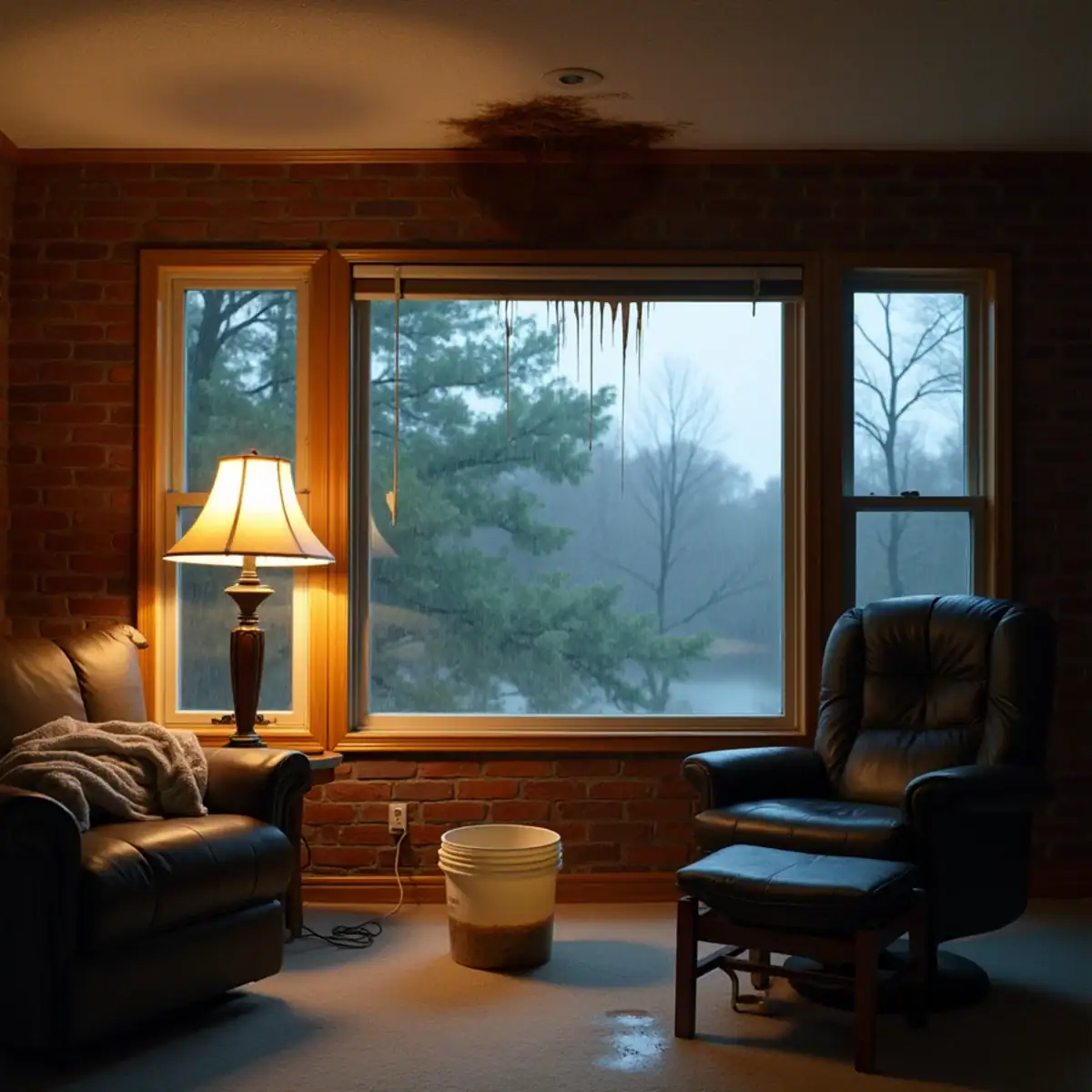
Roof Leaking Right Now? What to Do Before the Roofer Arrives
Water dripping from the ceiling in the middle of a Little Rock downpour? Here is what to do in the first hour, what to leave alone, and what the roofer handles later.
Read the guide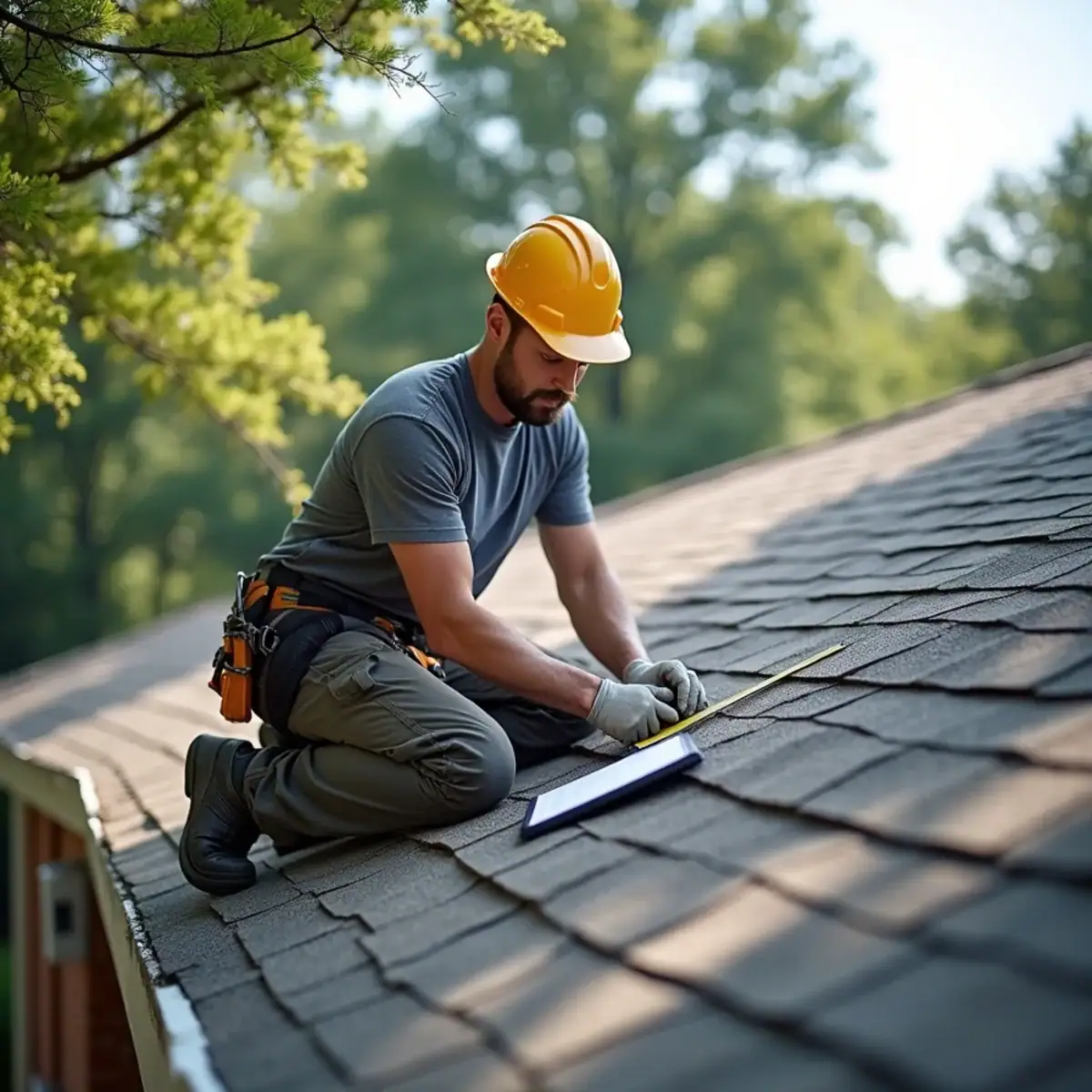
How Much Does Shingle Roof Repair Cost in Little Rock, AR?
Why an honest roofer will not quote a shingle repair over the phone, what actually moves the price in Little Rock, and how to read the written estimate you get.
Read the guide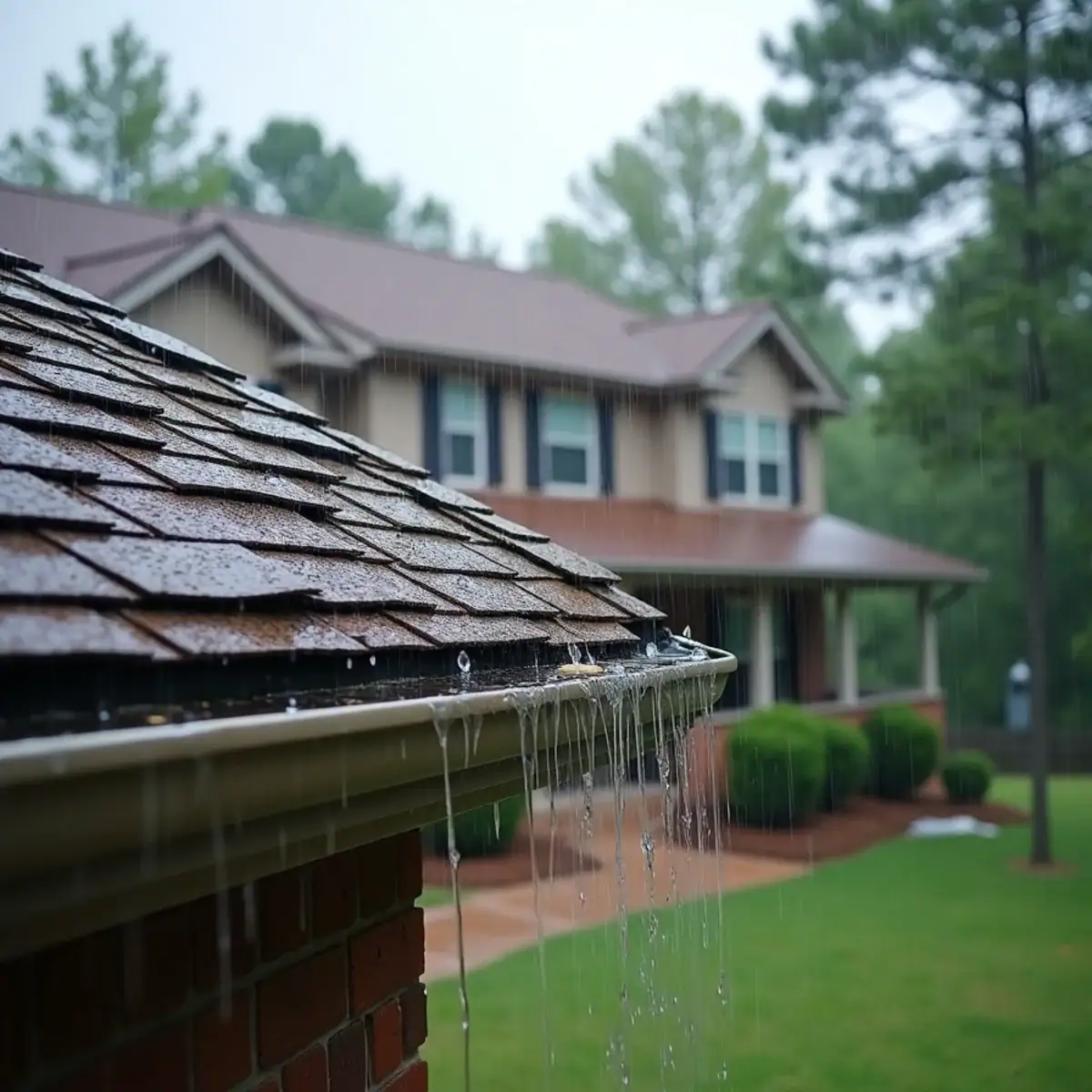
Why Does My Roof Leak Only in Heavy Rain? 7 Causes on Shingle Roofs
Dry in a light shower, dripping in a downpour? Seven places shingle roofs give way only under heavy or wind-driven rain, and how a roofer pins down which one is yours.
Read the guideContact
Serving Little Rock, AR 72201 and nearby
There is no storefront to visit. There is a phone line that never closes and licensed roofers who work these streets.
Little Rock Shingle Roofers
Serving Little Rock, AR 72201 and nearby areas
Open 24 hours, 7 days a week
Shingle roof repair questions from Little Rock homeowners
How much does shingle roof repair cost in Little Rock?
It depends on what failed, how steep and high the roof is, whether matching shingles are available and whether rotted decking turns up underneath. A cracked pipe boot is a much smaller job than a chimney reflash. The roofer gives you a written estimate after seeing the roof and before any work starts. See what drives shingle repair cost.
Are you really available 24 hours a day?
Yes. The phone line at (773) 207-0769 is answered 24 hours a day, 7 days a week, holidays included. How soon a roofer can be on the roof depends on the hour, the weather and how many calls are open. Nobody climbs in lightning or high wind, so on a stormy night the first step is protecting the room from inside.
Can you replace just a few missing shingles?
Yes. A few missing or damaged shingles can usually be replaced without touching the rest of the roof, as long as the shingles around them are still flexible. The roofer matches color and style as closely as available stock allows; an exact match on a sun-faded roof isn't always possible. Read more about missing shingle repair.
Is a roof leak an emergency?
Yes, when water is coming into a living space, the ceiling is sagging, water is near wiring or part of the roof is open. Contain the water, keep people away from electrical hazards, stay off the roof and call. A dry stain that hasn't grown can usually wait for a scheduled visit.
Are the roofers licensed and insured in Arkansas?
Yes. Every roofer we send is licensed and insured in Arkansas. Little Rock Shingle Roofers connects you with independent licensed roofers who perform the work, and you can ask for the roofer's registration or license number and check it with the Arkansas Contractors Licensing Board before you sign.
Do you work outside Little Rock?
Yes, within about 30 minutes of downtown: North Little Rock, Sherwood, Bryant, Maumelle, Benton and Jacksonville, plus the smaller communities in between. See all service areas.
What are the most common reasons shingles need repair in Little Rock?
Summer heat that cracks rubber pipe boots and curls older shingles, wind that lifts tabs and ridge caps once the seal strips let go, nail pops on second-generation roofs, oak and pine debris that dams valleys, and old chimney flashing on pre-war homes. Humid attics with poor ventilation speed up all of it. Most of these are repairs, not reasons for a new roof.
Why can a small roof leak need flashing or decking repairs?
Because water travels before it shows. It can slip in at a chimney or pipe boot, run along the underlayment and decking, and drip several feet away. If it has been leaking for a while, the wood under the shingles may be soft. That's why the roofer traces the path from the attic and the roof instead of patching the spot above the stain.
Where do roof leaks usually start on a shingle roof?
At the places the roof is interrupted: pipe boots and vents, valleys, chimneys, walls and dormers where step flashing should be, skylight curbs, ridge caps and the eaves. Missing or lifted shingles are the other big one. A ceiling stain is often downslope of the real source, so the inspection follows the water trail back uphill.
What should a Little Rock roof repair estimate include?
The location of the repair with photos, the materials and quantities, labor, tear-off, disposal and cleanup, and a clear note on how rotted decking or hidden flashing damage will be priced and approved. It should also say who handles a permit if one is needed and when payment is due. If something can only be confirmed once the shingles are lifted, the estimate should say so.
Do roofers in Arkansas need a license or registration?
Yes, for most real repairs. Arkansas requires a residential roofing registration for roofing jobs over two thousand dollars in labor and materials, unless the contractor holds the right residential builder or remodeler license. Ask for the number and verify it with the Arkansas Contractors Licensing Board before you sign. Every roofer we send is licensed and insured in Arkansas.
How often should I have my shingle roof checked in Little Rock?
Look it over from the ground every spring after the thunderstorm season and again after any ice storm or windy front, and have a roofer check it whenever you see missing tabs, granules in the gutters or a new stain. Before summer, it's worth having pipe boots, flashing and attic ventilation looked at, because heat is what finishes off a tired roof.
Can I fix missing or lifted shingles myself?
No, not safely on a wet or steep roof, and most Little Rock roofs are steep enough to be dangerous. A lifted shingle also needs the nails, the seal strip and the underlayment checked, and a patch over the wrong spot hides the real problem. Take photos from the ground and let a roofer do the climbing.
Will a tarp stop more damage while I wait for the repair?
Yes, when it's installed properly. A tarp wrapped over the ridge and anchored with boards keeps rain out of an open area until the permanent repair is done. It isn't a repair, and putting one on a wet roof is risky work, so the roofer installs it, notes what it covers and schedules the fix. A loose tarp can catch the wind and make things worse.
Page last reviewed by Little Rock Shingle Roofers.
Answering 24/7
Roof leaking in Little Rock? Call first, it's the fastest way.
A real person picks up day or night. Tell us what you're seeing and we'll send a licensed roofer, who gives you a written estimate before any work starts.
Call (773) 207-0769- Open 24 hours, 7 days a week
- Every roofer we send is licensed and insured in Arkansas.
- Written estimate before work starts
Little Rock Shingle Roofers
Serving Little Rock, AR 72201 and nearby areas
Open 24 hours, 7 days a week
Not urgent? Send a request
For missing shingles, slow stains and repairs that can wait a day or two. For the fastest help, call (773) 207-0769.